

“I go places to see how they’re built, and what they do to the people inside them.”
Fashion first, by way of Milan and London. Then ten years at URBN, building the studio that designed the stores for Anthropologie, Urban Outfitters and Free People.
A point of view of our own, put to work for yours.
Bureau St. James is an independent studio for research, strategy and design. We help leaders decide how the thing they’re building should make people feel, and sharpen it until it does.
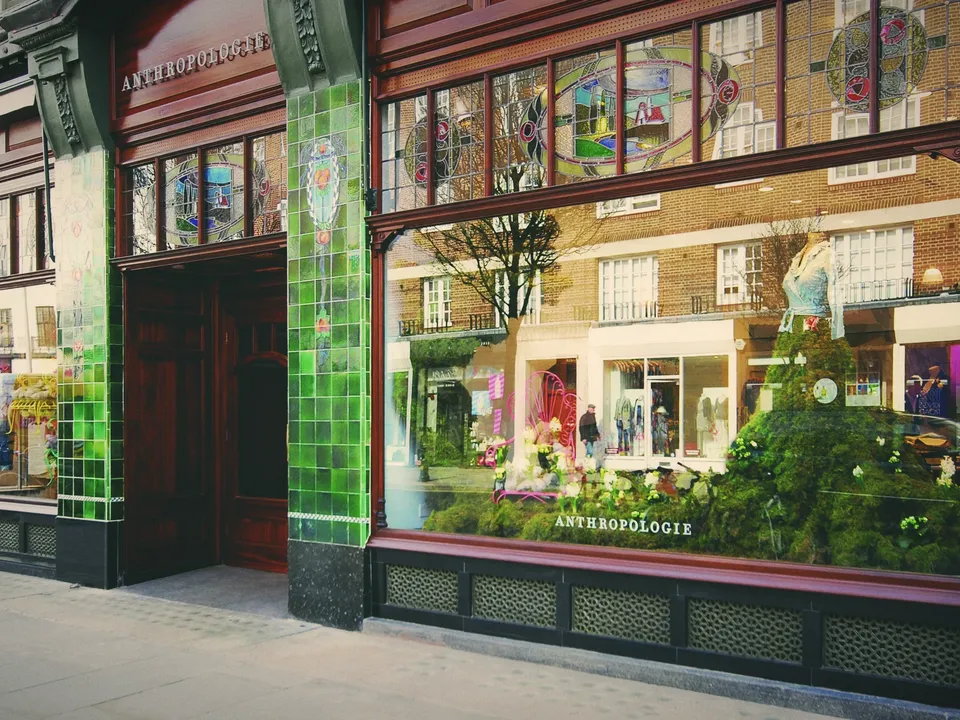
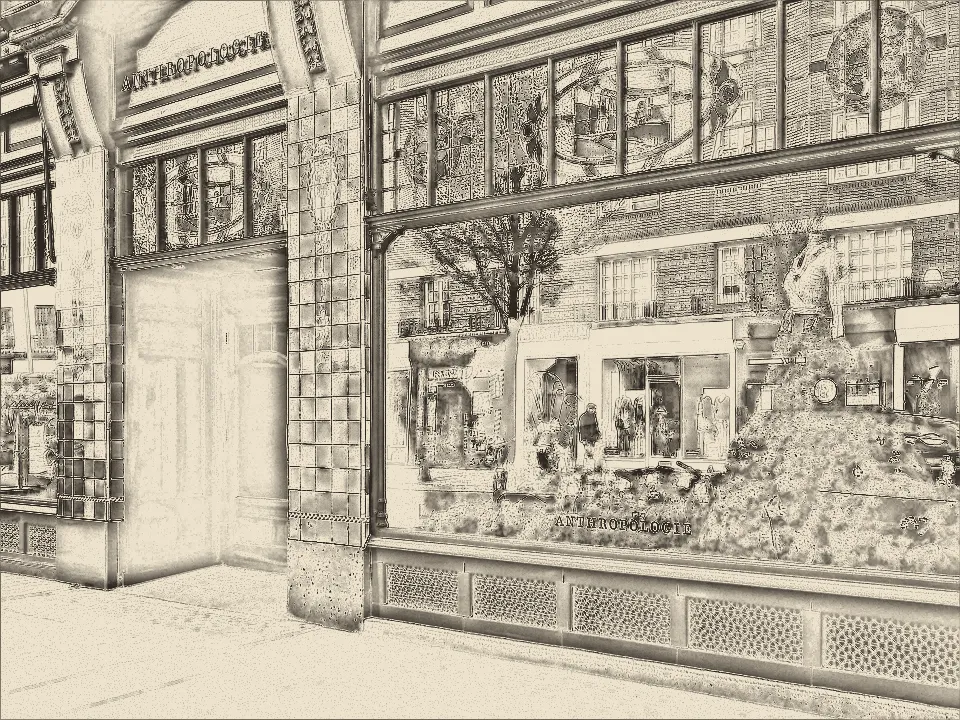
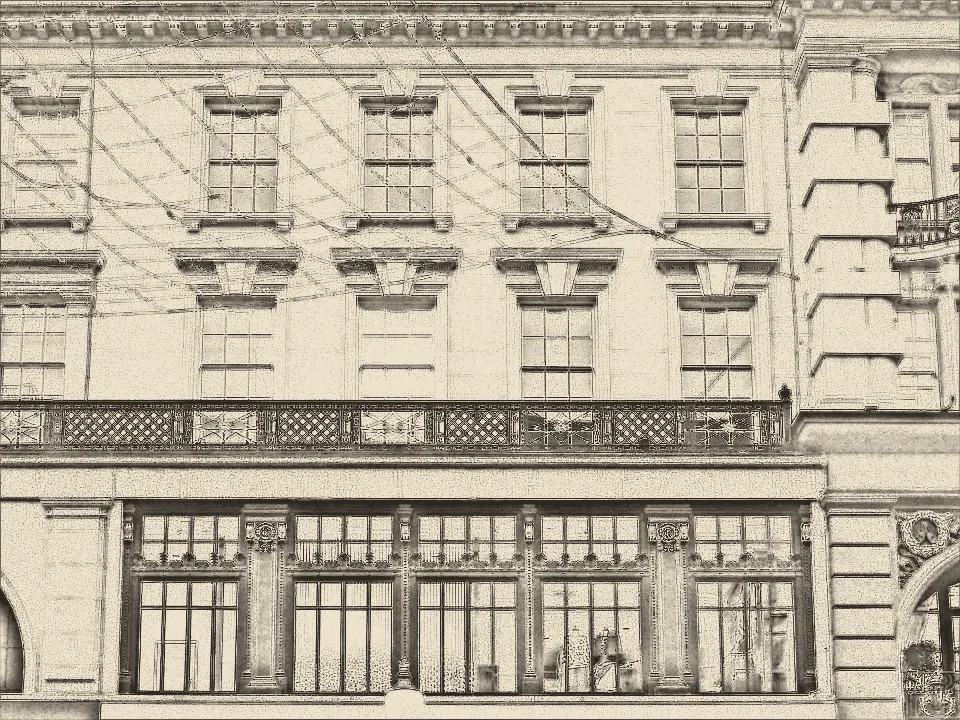
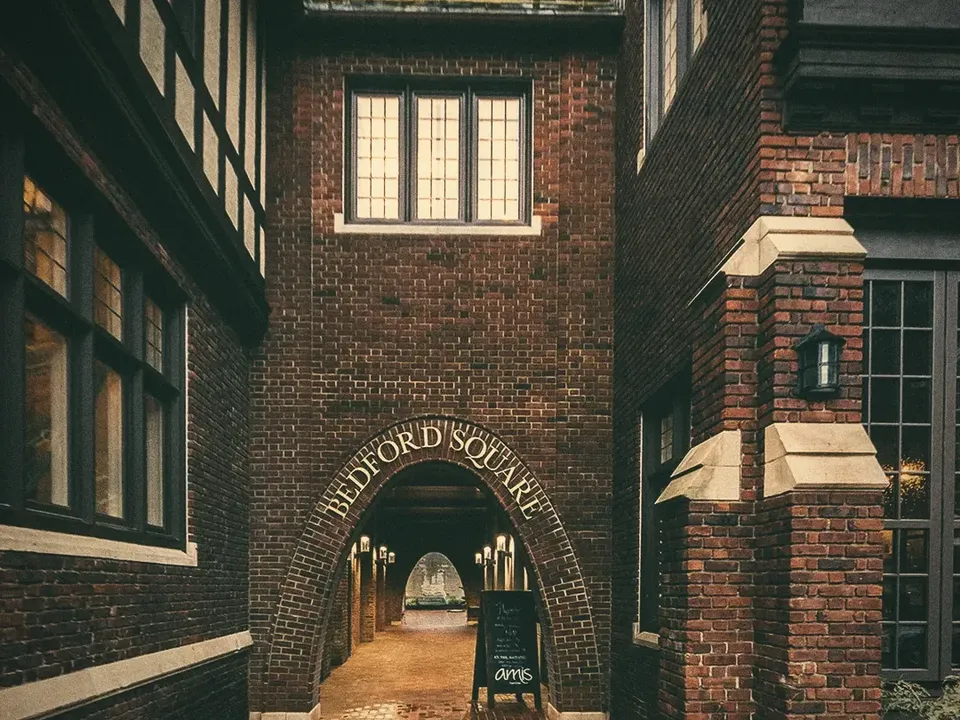
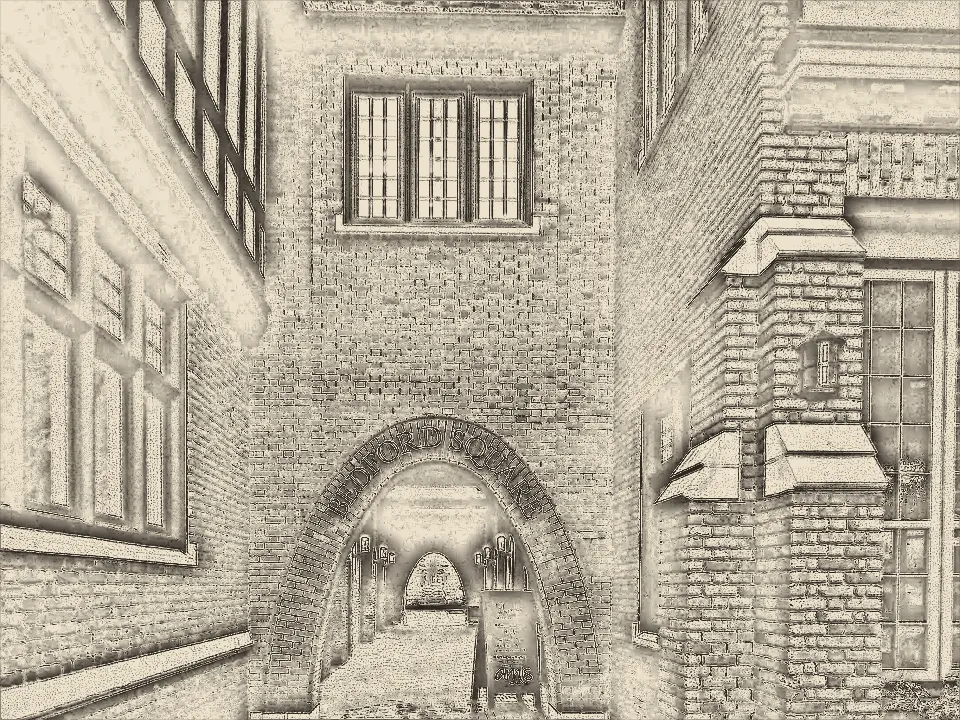
One taste.Many rooms.No two alike.
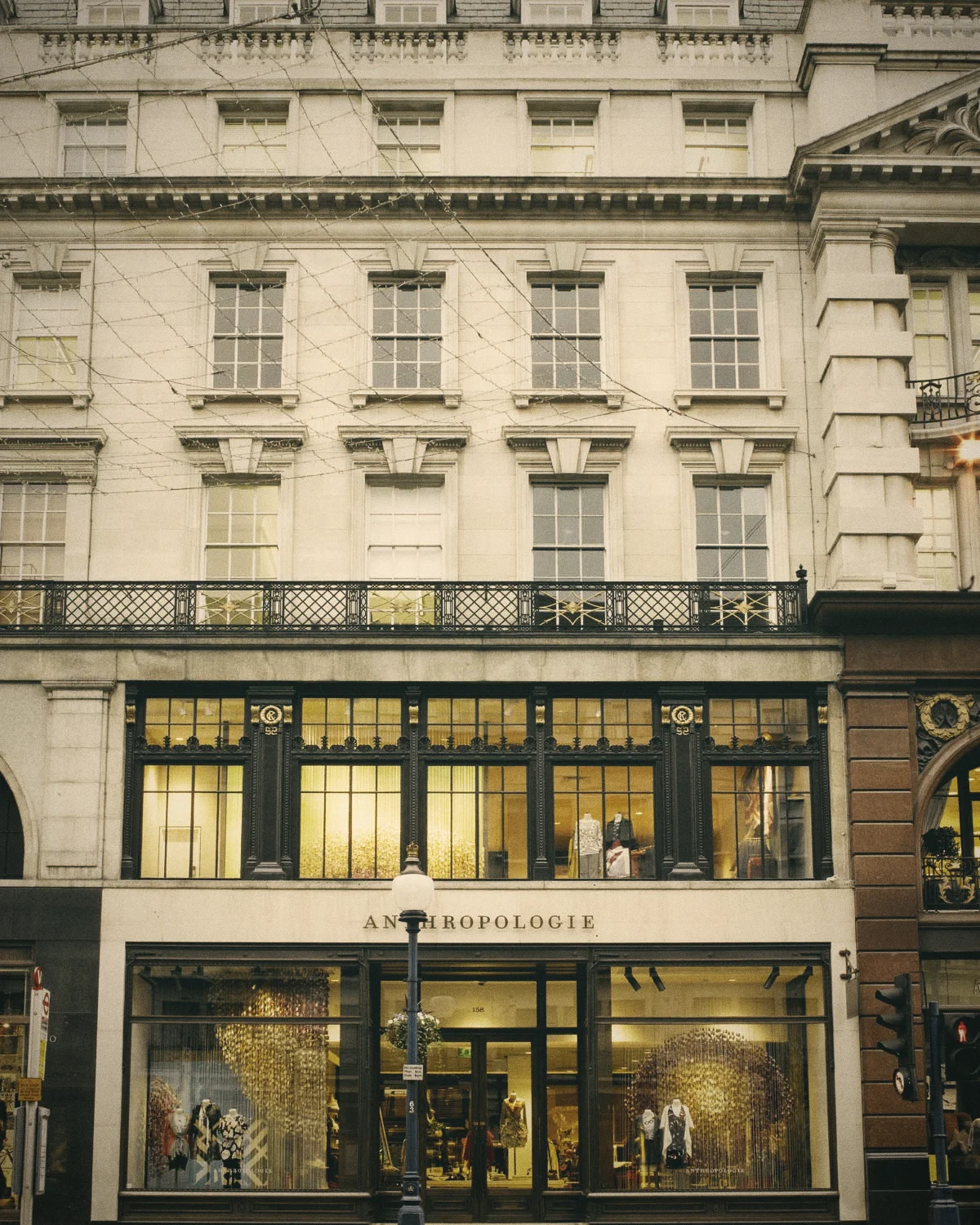
King’s Road, Regent Street, Westport. One taste, spoken differently in each, shaped by its own building, street and light.

With your teams, your architects and your makers.
So the feeling you set out to make holds from the first room to the last.
Research, strategy and design.
- ResearchWhere a place has been, who it is for, and the moment people still talk about. Walked, read and measured.
- StrategyThe brief the whole house designs to, and the frameworks that decide which projects get built, at what scale, and who signs off.
- DesignStore concepts, environments and experiences, carried from the first sketch to opening day, with the architects and makers.
James Andrew Smith
I go places to see how they’re built, and what they do to the people inside them.
There was always a stranger at our table. My father’s colleagues came from China and Korea and stayed for weeks, and nobody thought that was odd. I learned kung fu in a basement at the Chinese Community Center where no one spoke English, which is a fast way to learn to watch. My best friends had come over from Vietnam with nothing. I noticed how they lived and how we lived, and I never stopped noticing. Weekends were pow-wows in Minnesota and South Dakota: dust, drums, fry bread, whole families under the same sky. Before I had words for it, I understood that a place tells you who belongs in it.
Then came farm country, mid-winter, with the wrong accent. Cutting tobacco in August is the most honest work I’ve ever done: sixty-four hours a week, heat like a wall, and a friend beside me who is still my brother. At sixteen, Mexico City got hold of me for a semester. Markets that ran for blocks. Pyramids older than anything I’d been taught to respect. Balconies and courtyards and doorways that each opened onto another life. I came home and bought a car with field money, cash, and started planning my exit.
I quit college. I left a letter on my door explaining why, which I stand by in spirit if not in tone. The tobacco money got me to Milan, where I learned that a shop window can stop a whole street. Then London, where I saw how old money lives: quietly, in rooms that never have to try. When I ran out of money I came home, played guitar with friends and in small bars, hung art on borrowed walls, and talked my way into dressing department-store windows.
The windows got me hired, and then the road got me. For two and a half years I was on the road opening stores for a young brand, ninety of them. Some nights I was on a ladder with the contractors at 2 a.m. because the doors opened at ten. Then came ten years at URBN, where Urban Outfitters, Anthropologie, Free People and Terrain went from 140 stores to 400 globally, and Terrain got us into land leases, entitlements, and a whole new sector. I built the studio that designed them. Regent Street. Herald Square. That’s where I learned a store is a performance, and the building is the stage. You feel it the moment you step inside, or you don’t.
New York gave me six years running an international advisory firm, placing brands on the streets I used to wander. Somewhere in there I went back to school, to Oxford. I started weeks before the world shut down and finished in person on the other side. Not everything in those years went to plan. Some doors closed. I closed a few myself. The thing I arranged my life around never changed.
I’m a member of The Explorers Club, which mostly means I’m surrounded by people who make me feel lazy. The Apsáalooke (Crow) Nation honored me with a warrior blessing, and I’m still working out how to deserve it. Right now I’m helping a crew cross 5,000 kilometers of the Sahel on solar power. I run distances that don’t make sense: two hundred miles once, and a hundred more in the not-so-distant future. I’ve swum ten miles of open water. Most of these efforts land around Veterans Day or support veterans’ causes, because the injuries veterans bring home are mostly the kind nobody sees. It’s why I sit on the boards of INVI MindHealth and the Invisible Wounds Family Foundation.
Now it’s Houston, humid and sprawling and underrated, which suits me. I’d been working on my own since 2024; in 2026 the work got a house. Bureau St. James is where the pieces finally sit at the same table: the studio, and a serial novel. The belief underneath is the one I picked up at a stranger-filled dinner table that became a friend-filled table in Minneapolis: a place is made by whatever makes people stay.
- Apt
- Colman Architects
- David A. Levy & Associates
- NewStudio Architecture
The architects on the work shown here.
Bureau St. James is James Andrew Smith and a small core team, with the collaborators each commission calls for.

Stores and flagships, hotels, restaurants, launches.
Some begin with a month walking what already exists. Some with the next room.

Wildcat
A serial novel about how place shapes people. One chapter a week.